Event
NNPC / FIRST
E&P grant
Circular Economy, Education & Green Skills
pillar 1
NNPC / FIRST E&P x Freee Impact First Grants: Combined Reporting Sheet
28 October 2025
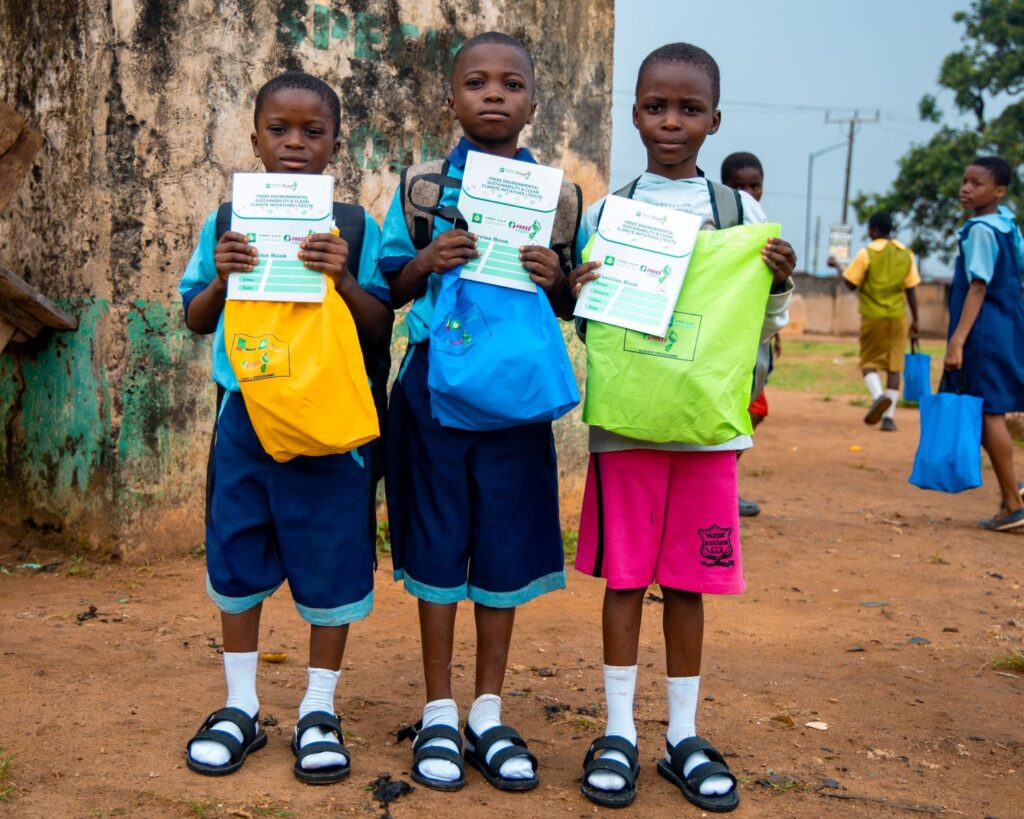
The objective of the two-phase project was the successful production and distribution of essential school supplies to 2,000 pupils across public primary schools in Nigeria. The project delivered a measurable dual social and environmental impact by:
- Creating Livelihoods: Generating local employment opportunities by contracting artisans for the production of the eco-friendly sandals in both phases.
- Promoting Circular Economy: Diverting approximately 800 discarded tyres from landfills and waterways (400 in Phase 1 and 400 in Phase 2), transforming them into useful products, and thereby reducing environmental pollution.
- Enhancing Student Well-being: Providing durable, comfortable, and sustainable footwear and educational materials to students in need, which directly improved their school experience and readiness for learning.
Activity: Phase 1 (June – July 2025), Phase 2 (September – October 2025).
Project Location: Five public primary schools in Ogun State. Eight public primary schools in Lagos State.
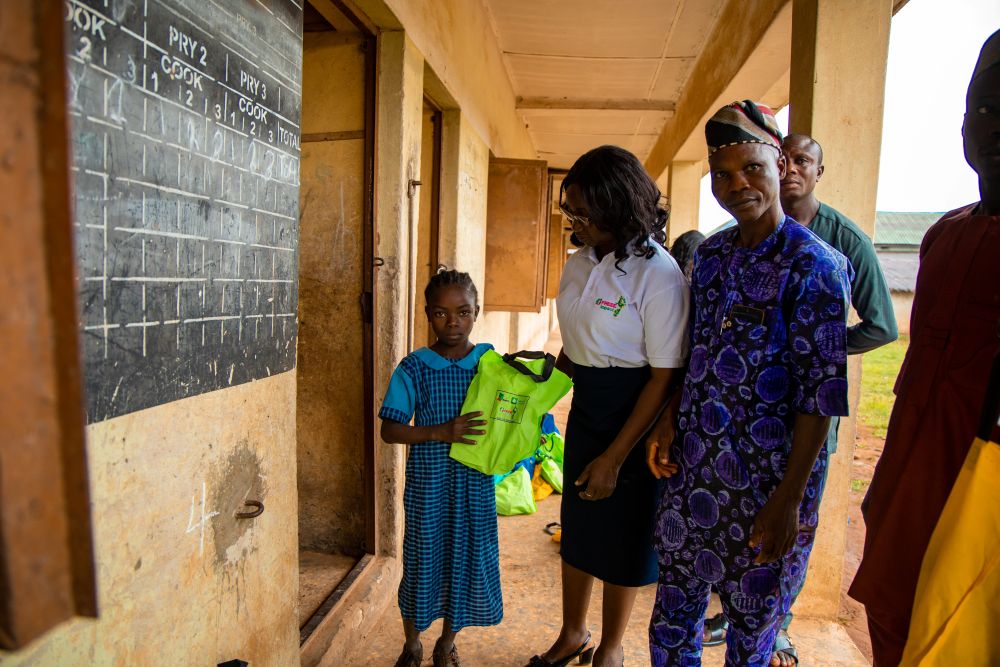
School Selection: Engagements with the Ogun State SUBEB led to the official nomination of the five beneficiary schools. Engagements with the Lagos State SUBEB and Local Government Education Authority Secretariat, Ikorodu, led to the official approval of the eight beneficiary schools.
Student Identification: Teachers at each school assisted in identifying and nominating students most in need of the school sandals. A systematic exercise was carried out to take accurate foot measurements of all 1,000 nominated students. Teachers at each selected school assisted in identifying and nominating students most in need of the school sandals.
Combined Results
The project was completed on 28th October 2025, marking a significant milestone in the grant initiative:
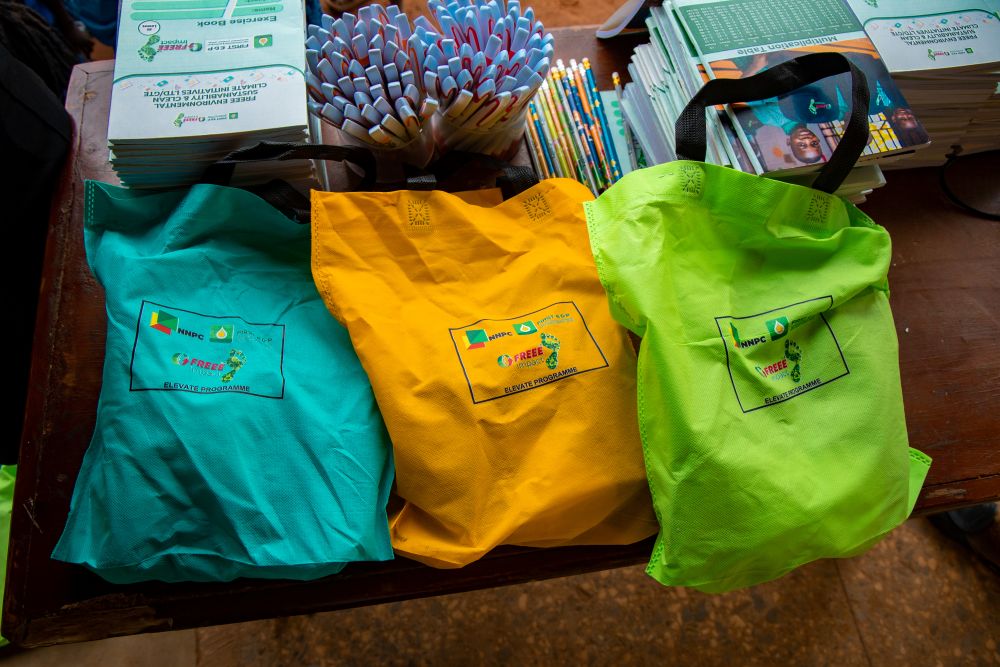
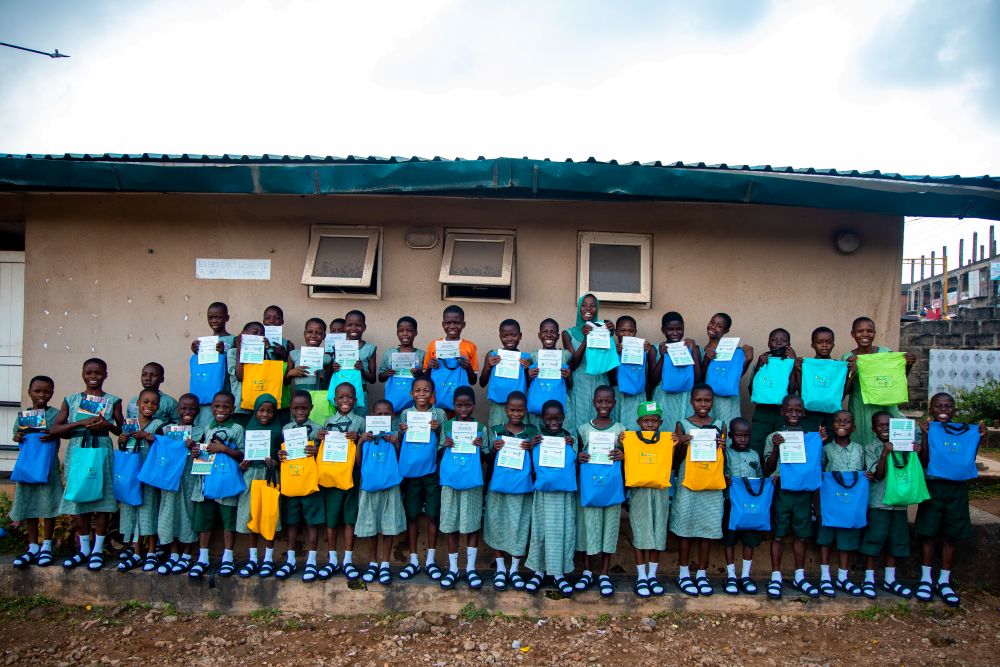
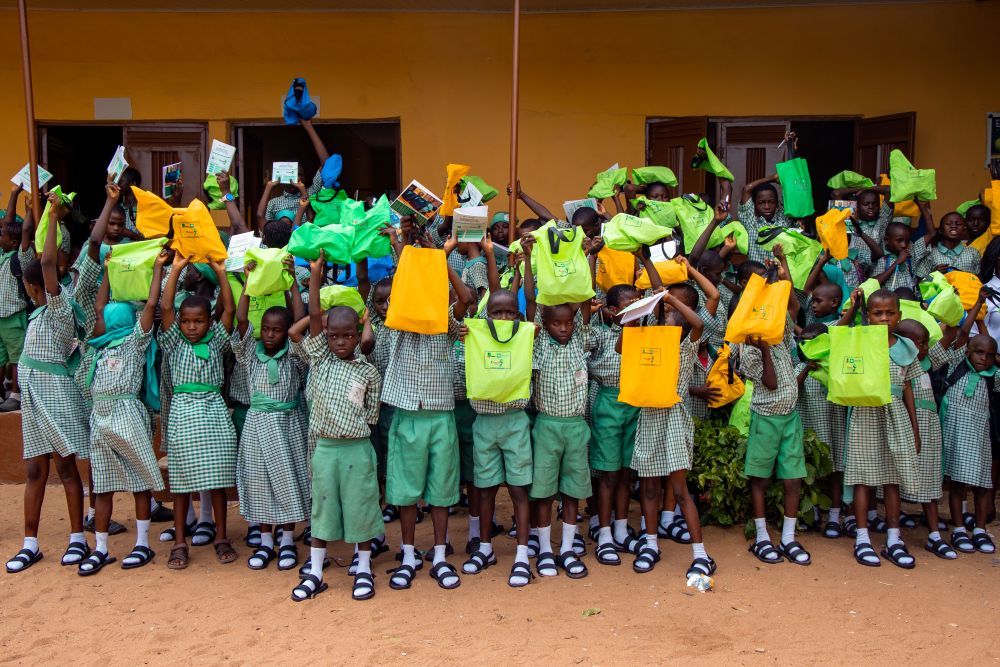
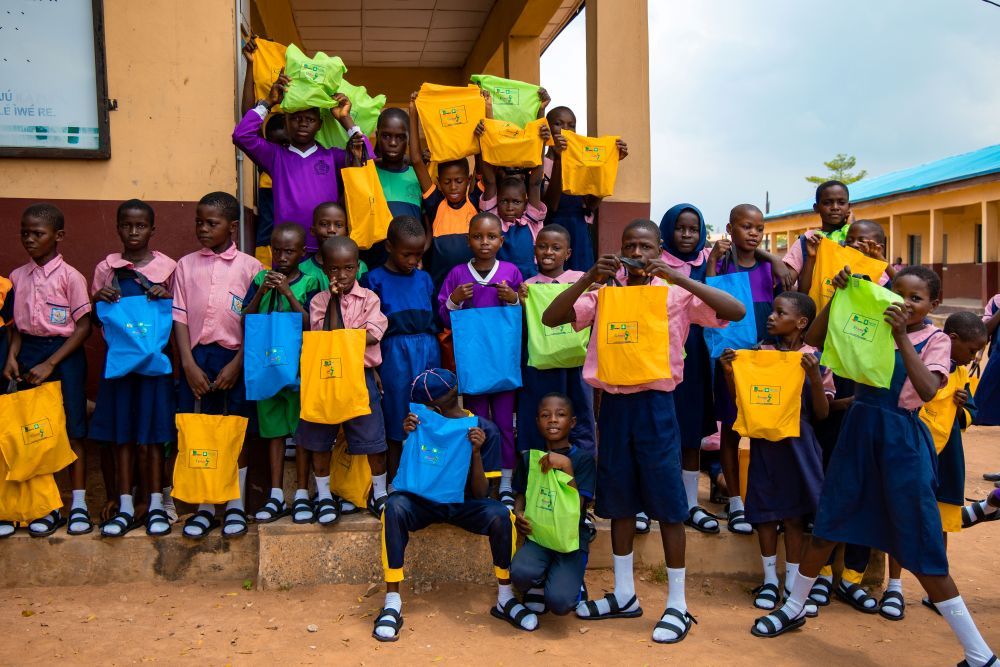
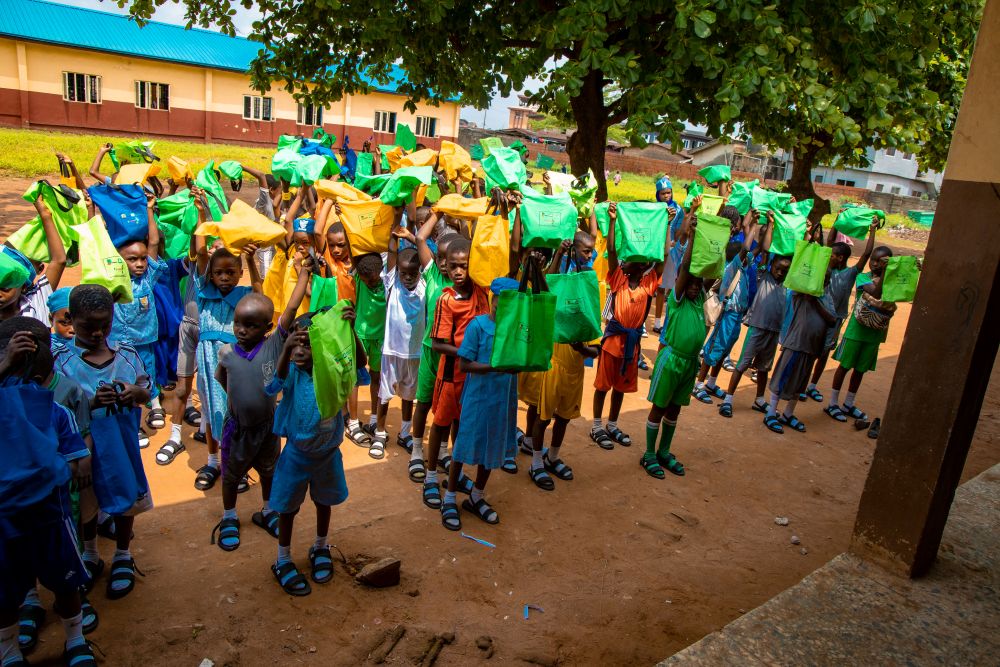
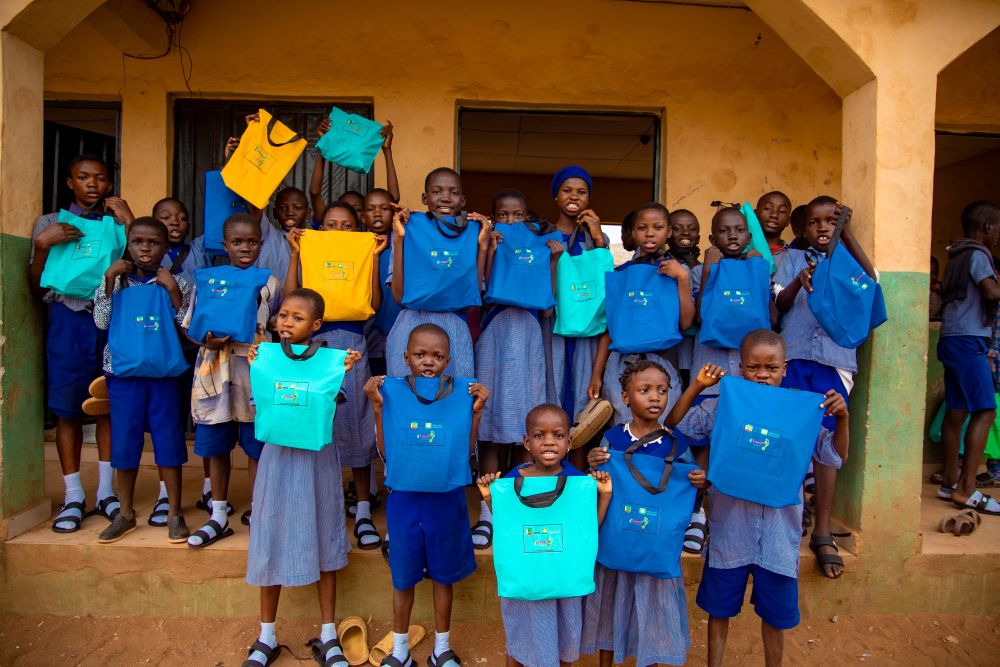
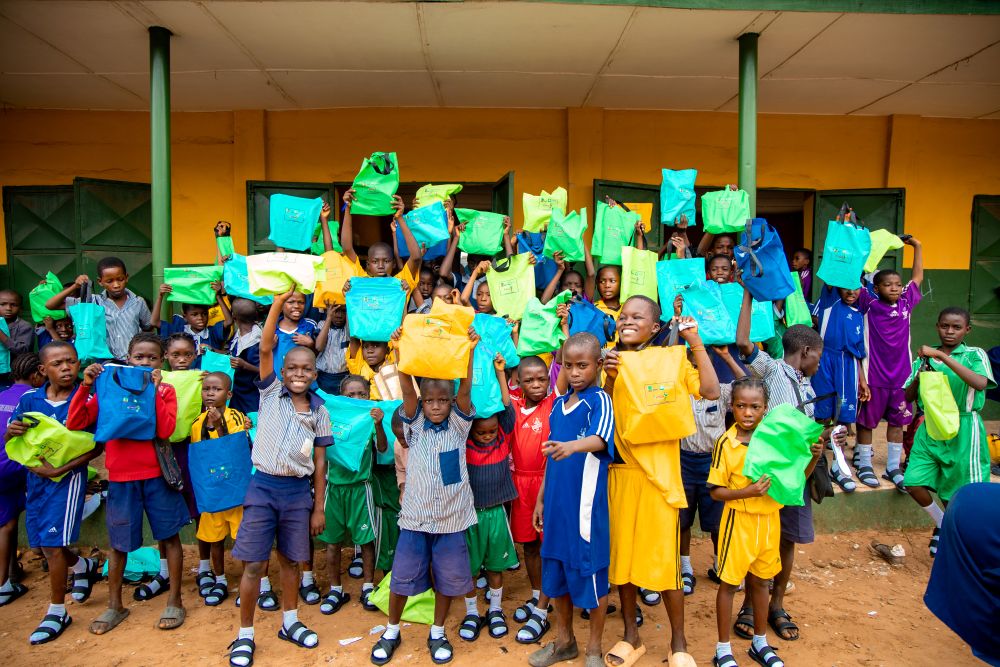
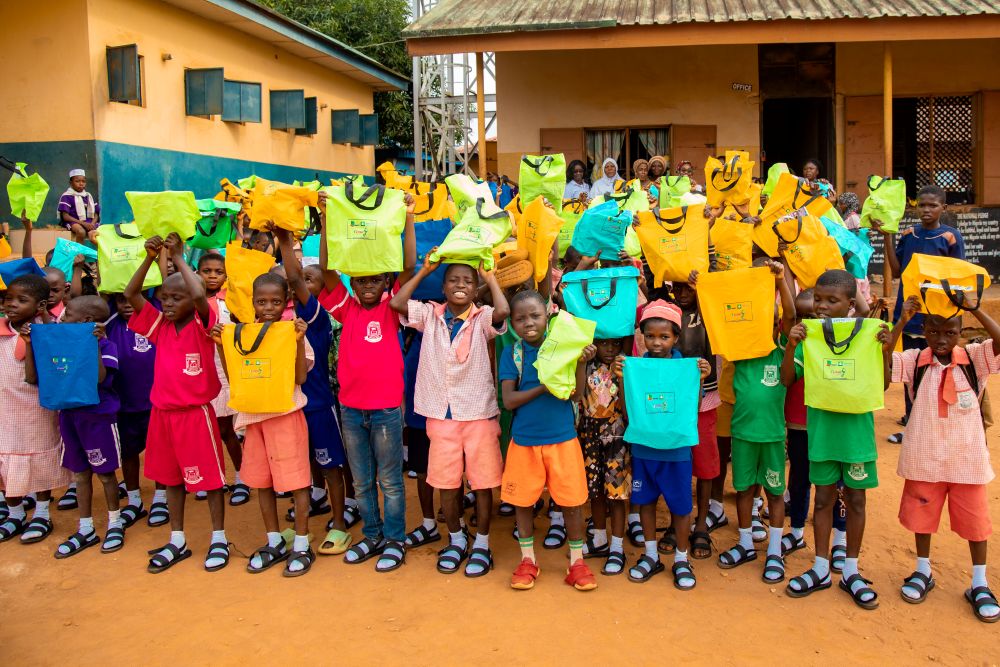
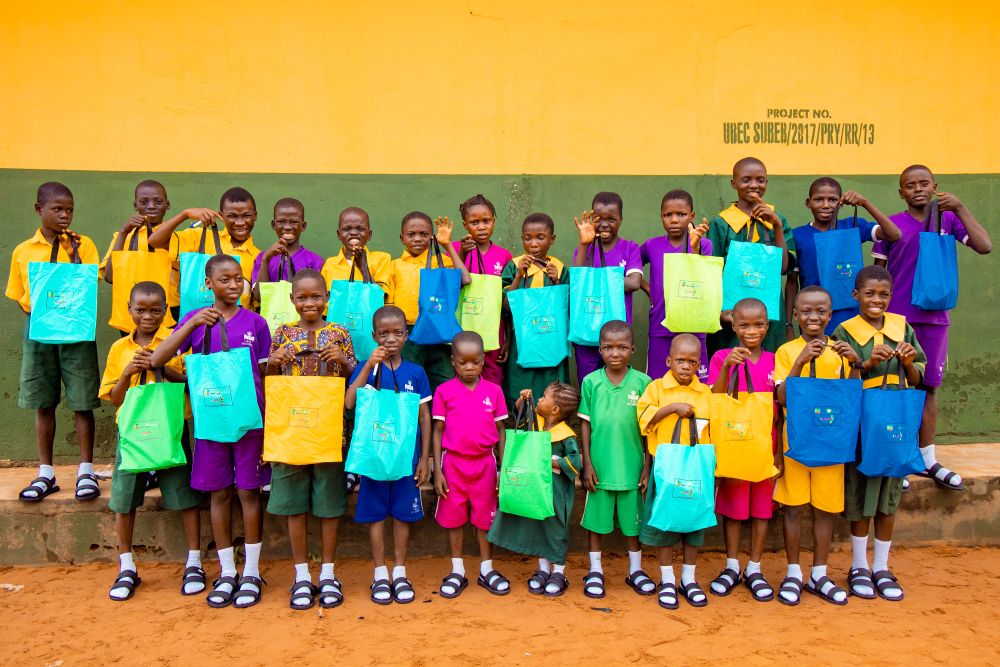
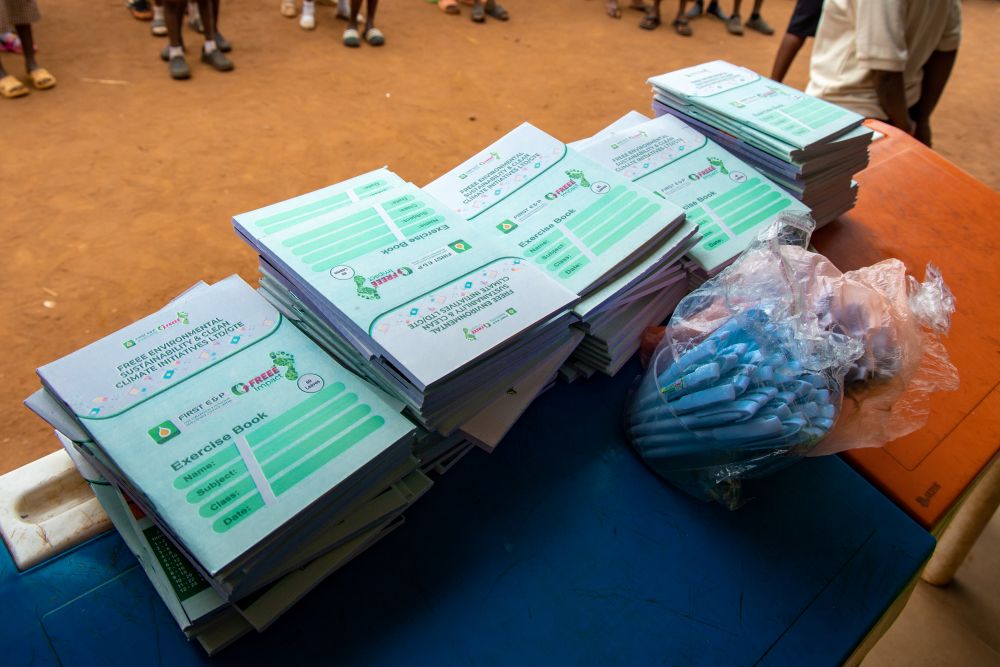
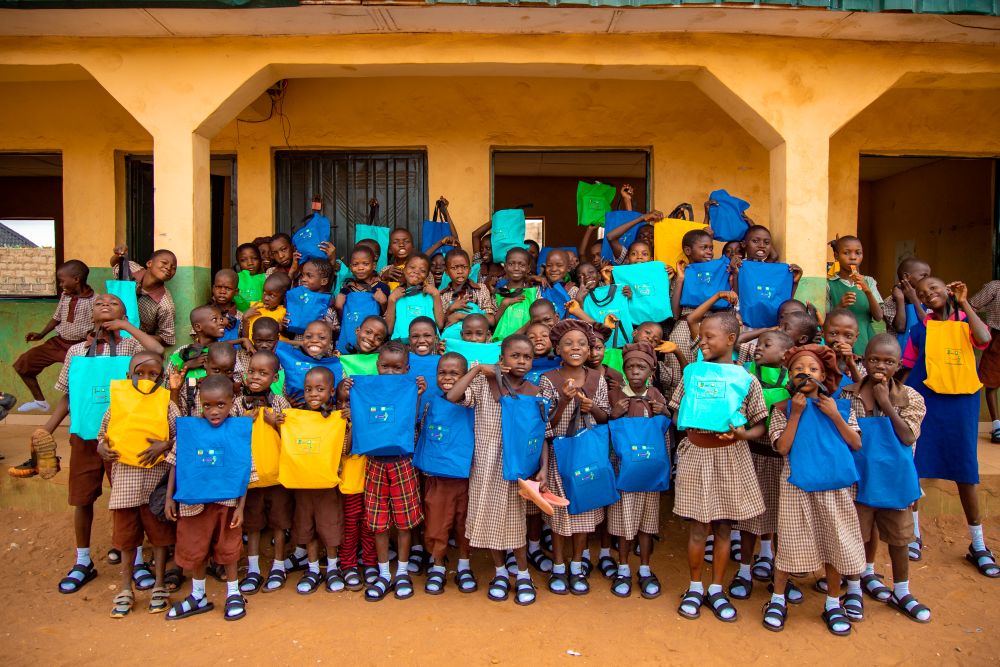
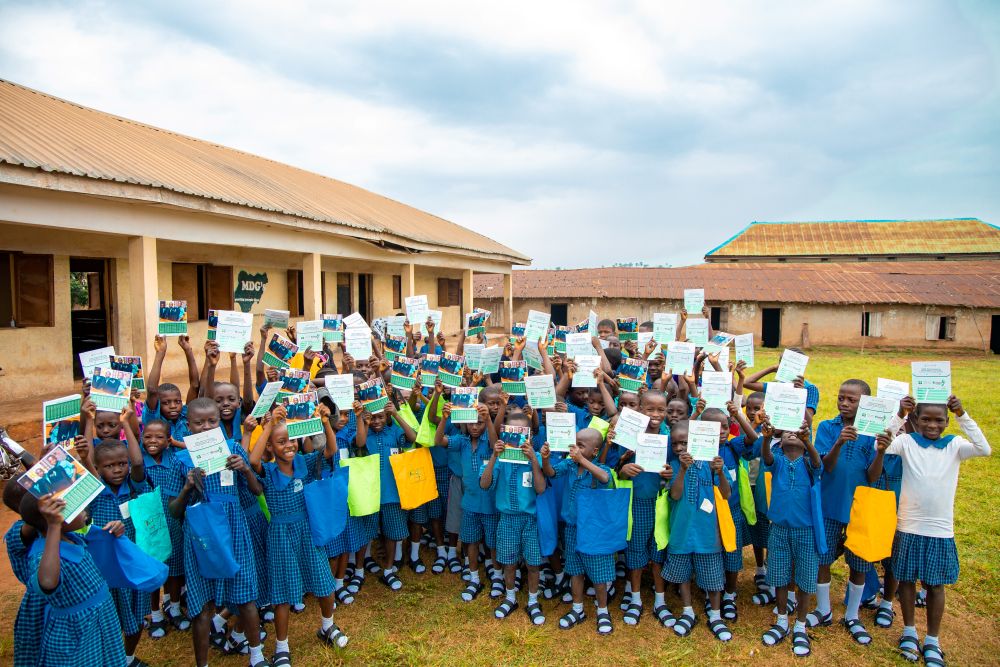
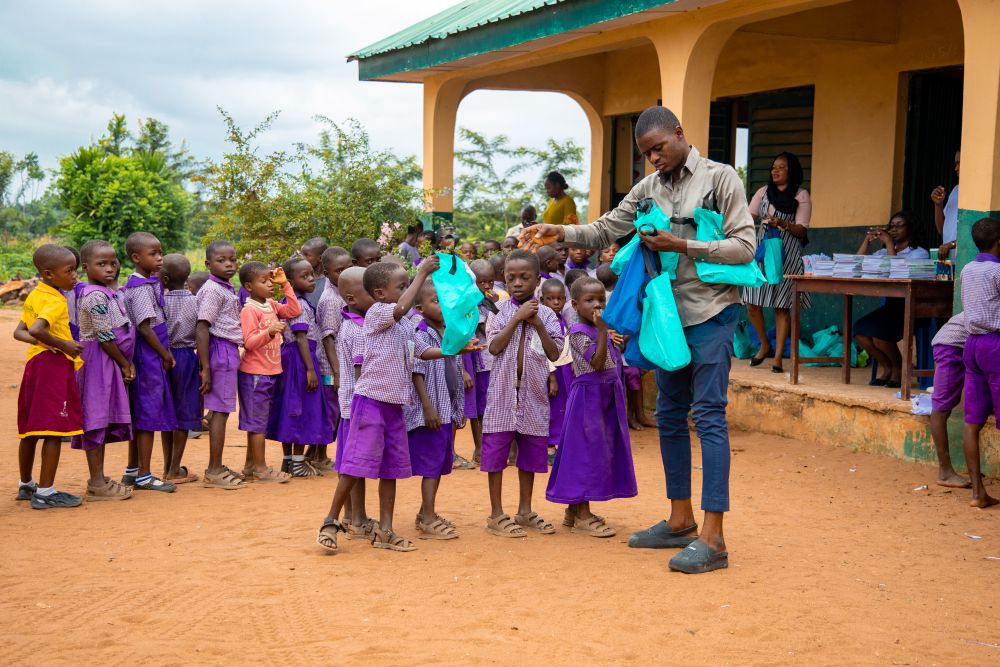
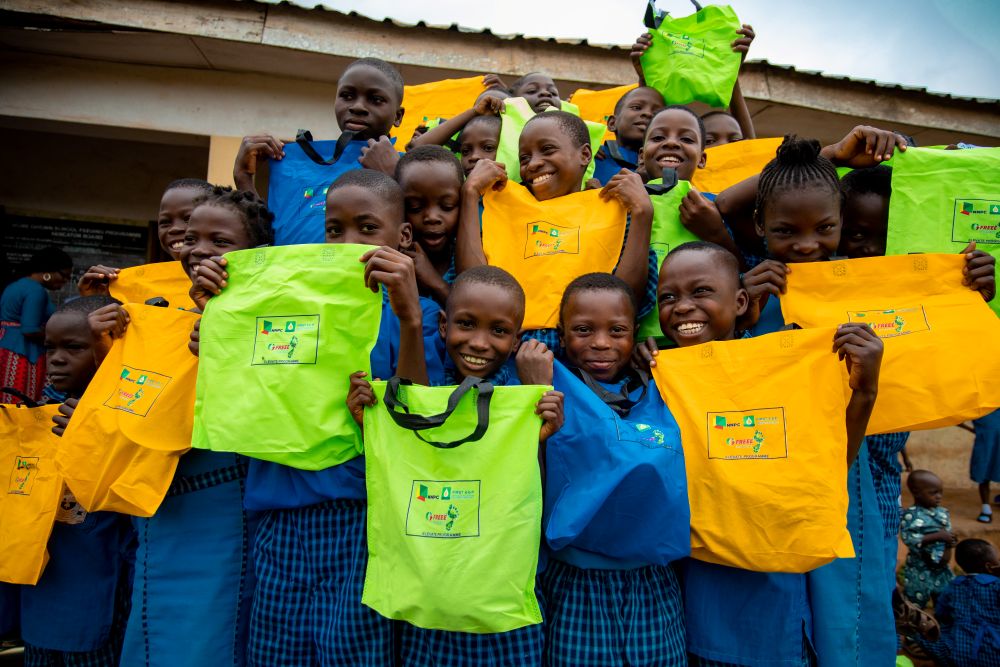
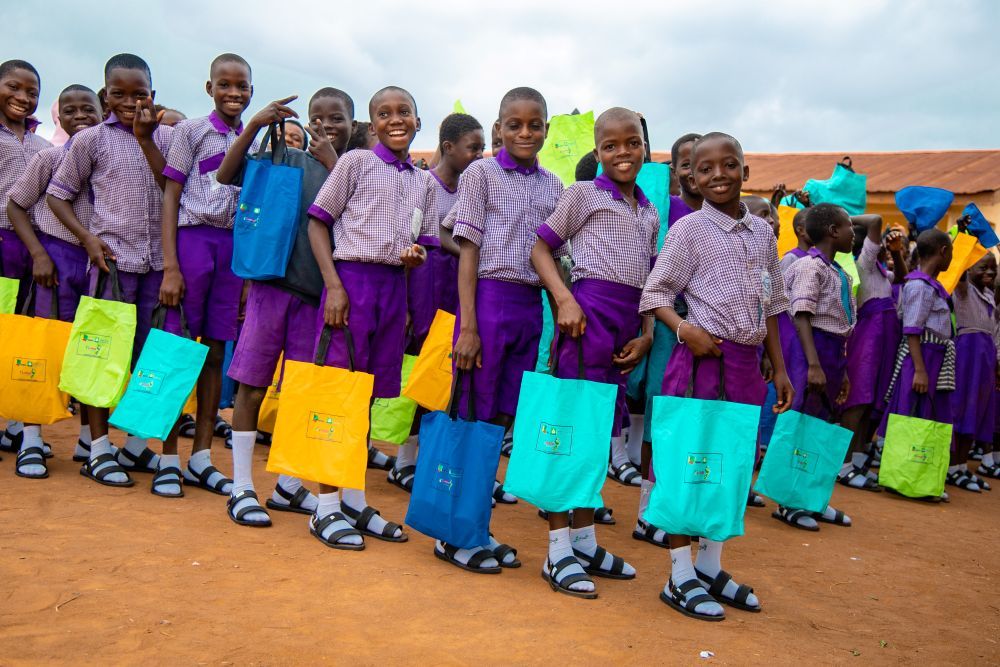
- Total Direct Student Impact: 2,000 pupils received new eco-friendly sandals, socks, and comprehensive writing materials across both phases. Phase 1: 1,000 pupils in five targeted public primary schools in Ogun State received supplies. Phase 2: 1,000 pupils in eight targeted public primary schools in Lagos State received supplies.
- Total Environmental Contribution: Approximately 800 discarded tyres were successfully repurposed in total, significantly contributing to waste reduction and promoting circular economy principles.
- Socio-Economic Benefit: The production process for the total 2,000 sandals created valuable short-term employment opportunities for local artisans in both phases, fostering economic empowerment within the community.
Achievements
The project completed both its first and second phases, culminating in the production and distribution of high-quality school supplies, and marking a significant milestone in the NNPC Limited/FIRST E&P Development Company Joint Venture grant initiative. This involved a robust dual-impact model that delivered a multi-faceted impact across Ogun and Lagos States:
- Direct Student Impact: A total of 2,000 pupils (1,000 in Phase 1 and 1,000 in Phase 2) received new eco-friendly sandals, socks, and comprehensive writing materials. This provision directly enhances their comfort and readiness for learning.
- Environmental Contribution: Approximately 800 discarded tyres (400 in Phase 1 and 400 in Phase 2) were successfully repurposed through the production of the eco-friendly sandals, significantly contributing to waste reduction and promoting circular economy principles.
- Socio-Economic Benefit: The production process for these sandals created valuable short-term employment opportunities for local artisans, fostering economic empowerment within the community.
Challenges and Lessons Learnt
The project encountered minor schedule variances in Phase 1 due to factors such as a hold-up in the cheque clearing process, an unexpected strike by the Nigeria Labour Congress (NLC) in Ogun State, and having to wait for students to complete promotional examinations. Phase 2 also experienced some delays due to the production of the sandals. The key lesson learnt from both phases is the importance of developing more adaptable project schedules that include dedicated contingency time. This flexibility is essential to manage potential unforeseen external factors, such as industrial action or funding disbursement delays, to ensure project milestones are consistently met.